

Dun Laoghaire (Ireland)
Cruise Port schedule, live map, terminals, news
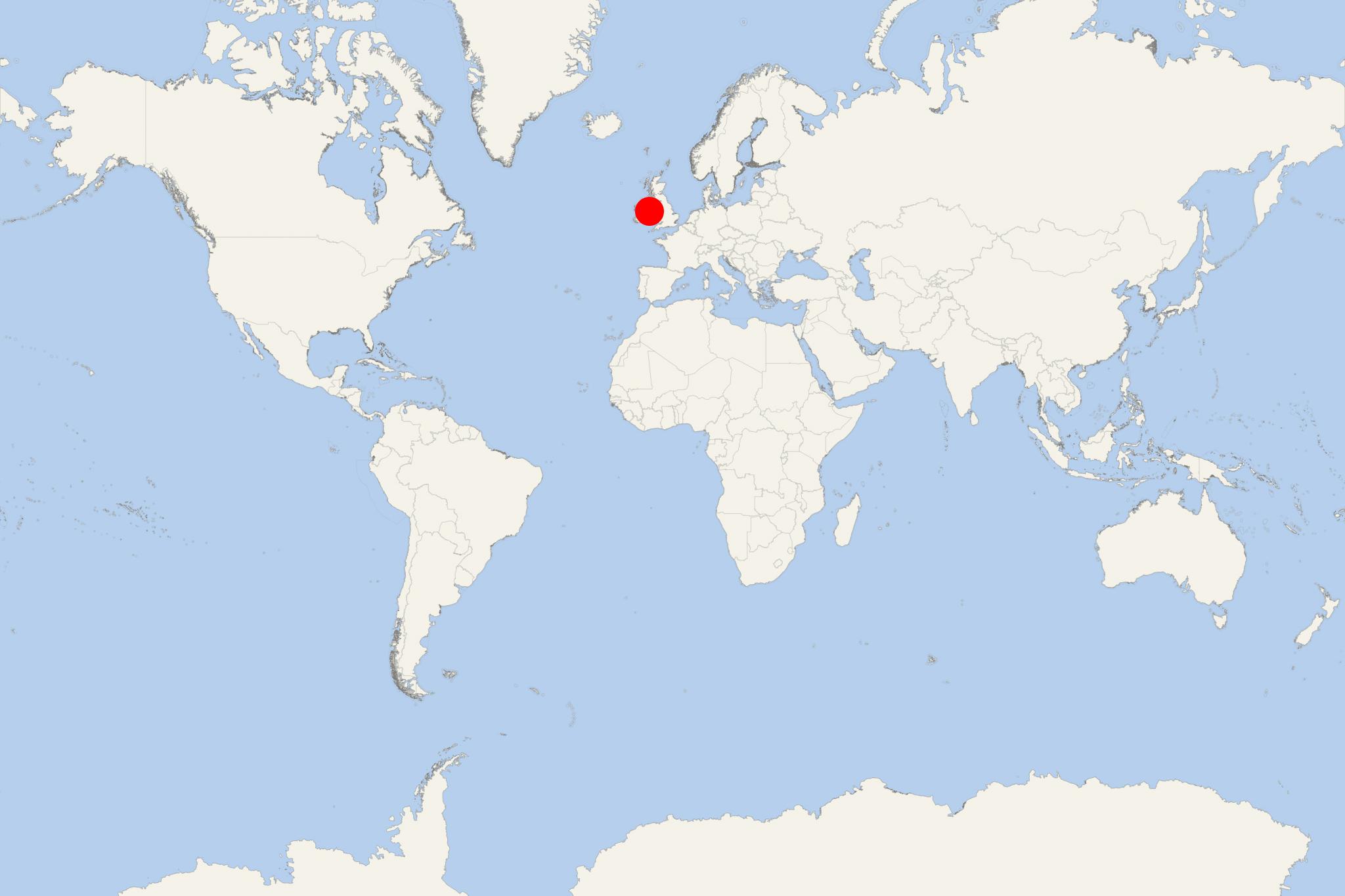
Region
Ireland - UK - British Isles
Local Time
2026-10-24 19:38
 47°F
8.2°C

 Strong breeze
11.6 m/s
 59 °F / 15 °C
44 °F / 7 °C
Port Dun Laoghaire cruise ship schedule shows timetable calendars of all arrival and departure dates by month. The port's schedule lists all ships (in links) with cruises going to or leaving from Dun Laoghaire, Ireland. To see the full itineraries (ports of call dates and arrival / departure times) and their lowest rates – just follow the corresponding ship-link.
| Day | Ship | Arrival | Departure |
|---|---|---|---|
| 20 May, 2027 Thursday |  Vasco da Gama-Nicko | 07:00 | 20:00 |
Dun Laoghaire is a port town and an alternative cruise port for Dublin, located approx 7 mi / 12 km to the southeast (along the coastal road R118) of Ireland's capital and largest city.
The settlement (Dunleary) received town status in the early-19th-century (in 1816/in 1821 was renamed Kingstown) to become a major harbour serving Dublin City. The town was renamed from Kingstown to Dun Laoghaire in 1920. Due to its close proximity to Dublin, Dun Laoghaire developed as a seaside resort and one of the city's suburbs.
The 2001-inaugurated Dun Laoghaire Marina is Ireland's largest boating facility, with capacity 820 slots/berths for leisure boats and yachts.
Dun Laoghaire Harbour (port locode IEDLG) is an artificial harbor which construction started in 1817 and was completed in 1859. In 1834 was opened Ireland's first railway line linking Dublin's Westland Row station with Kingstown's old port (Dunleary/the current West Pier), which was later extended to Victoria Wharf (current St. Michael's Wharf). The railway led to residential developments (houses and apartments). In the second half of the 19th century, the Dublin-Kingstown line was extended to Rosslare (major ferry port).
Since the harbor's completion and up to the 21st centuy, Dun Laoghaire was Ireland's principal port serving regularly scheduled passenger ferries linking to the UK (Holyhead, Anglesey Island Wales). The route's main operator STENA LINE made the Dun Laoghaire-Holyhead service seasonal in 2010 and in 2015 replaced it with direct connections to Dublin.
In 2011, Dun Laoghaire Harbour Company (Port Authority) announced a master plan for developing the Port as a cruise ship destination, targeting both ferries and cruise vessels.
As cruise port, Dun Laoghaire is a tender port and usually included in summer itineraries (May-June-July). The first cruise ships docked here in 2013 - Cunard Line's Queen Mary 2 (on May 16th), followed P&O UK's Arcadia (July 9th).
Larger-sized cruise ships anchor at sea and transport their passengers ashore via the ship's tender boats. From Dun Laoghaire, most tourists visit Dublin (via buses) but reportedly ~40% of them visit Dun Laoghaire Town and its surrounding area, further benefiting the local economy. The Port's largest cruise vessel so far is MSC Preziosa (LOA 1093 ft / 333 m, max capacity 4378 passengers + 1388 crew).
In November 2016 was granted permission for an ÐUR 30 million project for building a dedicated cruise ship berth (in Dublin Harbour's southern part) but Dun Laoghaire-Rathdown County Council withdrew these plans in May 2019. By these plans, the berth's capacity was restricted to vessels with max LOA length 820 ft / 250 m) while the Port Authority's application was for larger vessels (max LOA 1115 ft / 340 m).
In 2022, the Port handled a total of 65 cruise ships (79000 passengers + 44000 crew), which ranked it Ireland's second-largest - after Cork-Cobh.
In 2023, Dun Laoghaire Harbour reported a record-breaking season with 90+ booked cruise berthings and estimated ~235000 tourists (~164000 passengers plus ~71000 crew). Most of the visits scheduled for 2023 were for ships of NCL-Norwegian Cruise Line (20), Viking OCEAN Cruises (17) and Princess Cruises (11).
Dún Laoghaire offers two practical choices: stay beside the harbour for coastal walks and local sights, or take the DART train into Dublin. Local sightseeing is easy independently once ashore; Dublin is independent with some planning and transport. Tendering reduces your usable time, so choose one main area rather than trying to cover both extensively.
Getting from the Cruise Port
Cruise passengers normally arrive by tender from ships anchored in Dublin Bay, landing at St Michael’s Pier inside Dún Laoghaire Harbour. Follow the designated passenger exit through the terminal and car-park area; the landing pontoon is not directly on the town promenade. Confirm the final tender time before leaving.
Dún Laoghaire (Mallin) DART station, Marine Road and the seafront are a short walk from the harbour exit. Allow roughly 5–10 minutes to reach the station, depending on the passenger route in use. Passengers with limited mobility should check tender boarding and the shore access arrangements with their cruise line.
- Dublin by train: Take a northbound DART to Pearse or Tara Street. The train journey usually takes approximately 20–30 minutes. Allow around 45–60 minutes from the shore landing to your first central sight, including walking, tickets and waiting.
- Taxi: Useful for a direct attraction transfer or reduced walking, but city traffic makes journey times variable. Arrange the return carefully.
- Bus or cruise transfer: Local buses provide alternatives, although the DART is generally simpler for central Dublin. Check whether your cruise line offers a city transfer; do not assume a shuttle is included.
Best Ways to Spend Your Time
Dún Laoghaire Harbour and Town
Allow 2–4 hours ashore. Easy independently. Walk the East Pier, explore the seafront and People’s Park, and stop for lunch or coffee. The National Maritime Museum, housed in the former Mariners’ Church near the dlr LexIcon library, is a useful indoor option; allow approximately an hour for a visit. This is the most manageable choice after a late tender arrival or during a shorter call.
Dublin’s Central Sights
Allow 4–6 hours from the shore landing, plus your tender return margin. Independent with planning. Travel by DART and concentrate on Trinity College, Grafton Street, St Stephen’s Green and the historic streets around Dublin Castle and Temple Bar. Reserve popular ticketed attractions in advance, but avoid an early booking that depends on being among the first passengers ashore.
The Guinness Storehouse requires an additional transfer or substantial extra walking from the central DART stations. If it is your priority, build the day around that visit and reduce other stops.
Sandycove and the James Joyce Tower
Allow 2–3 hours. Easy independently for comfortable walkers. Follow the coast southeast past People’s Park and Dún Laoghaire Baths to Sandycove, the James Joyce Tower and the Forty Foot swimming area. The tower contains a small literary museum; interior stairs make it less suitable for visitors with mobility difficulties. Check opening arrangements before setting out.
Sandycove has a small beach, while the Forty Foot is a rocky sea-swimming spot rather than a sandy bathing beach. Swimming depends on weather, tides and your experience with cold water; enjoying the coast from shore is the simpler cruise-day option.
Dalkey Village and Castle
Allow 3–4 hours. Independent with transport and a little planning. Take a southbound DART to Dalkey, approximately 10 minutes away by train, then walk into the compact village for cafés and a booked Dalkey Castle visit. Castle admission is based around guided tours, so check availability before travelling. A taxi is another practical option.
Fit walkers can add Killiney Hill for coastal views, but this introduces uphill paths, steps and extra time. Choose this as your main outing rather than adding it to a full Dublin sightseeing day.
Self-Guided Walking Routes
Harbour, East Pier and People’s Park
Easy: Approximately 4 km (2.5 mi), excluding the walk from the tender landing to Marine Road. Allow 60–80 minutes of walking or 2–3 hours with stops; add approximately an hour if visiting the museum. The route is mainly paved and level, with a short rise toward Haigh Terrace. The pier is exposed to wind and rain.
- Marine Road waterfront: Start near the DART station after following the passenger exit from the harbour.
- East Pier entrance: Walk east along the waterfront and enter the pier.
- Victorian bandstand: Continue along the pier, with views across the yacht harbour.
- East Pier lighthouse: Reach the pier end, then retrace your steps to the entrance.
- People’s Park: Continue along the seafront to the gardens for a break.
- National Maritime Museum: Turn inland toward Haigh Terrace for an optional visit.
- dlr LexIcon and Marine Road: Return past the library and waterfront, then follow the designated route to the tender terminal.
For a shorter outing, turn back at the bandstand and omit the lighthouse.
Compact Dublin Highlights Loop
Easy to moderate: Start and finish at Tara Street DART station. The suggested loop is approximately 4.5 km (2.8 mi), with 70–90 minutes of walking. Allow 3–4 hours with short stops and lunch, excluding rail travel and tendering. Streets are mostly level, but crowds, crossings and some cobbled surfaces slow progress.
- Trinity College and College Green: Walk south from Tara Street. Add a ticketed visit only if your schedule allows.
- Grafton Street: Continue along the pedestrian shopping street.
- St Stephen’s Green: Take a short circuit through the park.
- Dublin Castle: Walk via South William Street and the surrounding streets toward the castle; check visitor access before planning an interior visit.
- Temple Bar: Head toward the river through the district’s narrow streets.
- Ha’penny Bridge: View or cross the pedestrian bridge, then follow the quays east toward Tara Street.
Return on a southbound DART that stops at Dún Laoghaire. One substantial indoor attraction can replace several walking stops.
Return Planning and Practical Tips
- Work backward from the last tender: Ship departure time is not your shore-side deadline. As a planning margin, aim to reach the tender terminal at least 45–60 minutes before the published final tender, or earlier if instructed.
- Returning from Dublin: Allow approximately 60–90 minutes from the city centre to the tender terminal, including reaching the station, waiting, the train ride and the harbour walk. Add this transport allowance before your tender margin.
- Check rail service notices: Engineering works and disruption can affect DART services, particularly at weekends. Know your alternative before travelling.
- Keep bookings realistic: Tender queues and sea conditions can delay the start of your day. Leave room between landing and any timed attraction.
- Longer excursions: Wicklow and Glendalough are better approached through an organized excursion or a carefully arranged private tour on a sufficiently long call. Road travel consumes a substantial part of the day.
- Dress for the coast: Bring a waterproof layer and shoes with grip. Shorten exposed pier walks in strong wind or rough weather.
Dun Laoghaire hotels
- Cruise Industry
Ireland's Dun Laoghaire Harbor boasts record-breaking cruise season with 90+ ships
Dun Laoghaire Harbor (Ireland) is set to experience a record-breaking cruise ship season, as 90+ vessels are expected to visit the area. This influx...
June 13, 2023 - Cruise Industry
Dun Laoghaire-Rathdown County Council Withdraws Plans for EUR 30 Million Cruise Berth
Dun Laoghaire-Rathdown County Council decidеd to withdraw controversial plans for a ЕUR 30 million cruise berth in the south Dublin Harbour. An Bord...
May 22, 2019 - show more news